
Understanding California Notary Processes for Smooth Document Handling

Navigating the notary process in California can feel confusing if you’re not familiar with the steps involved. Whether you need to notarize a legal document, a contract, or a power of attorney, knowing how the process works helps you avoid delays and ensures your documents are legally valid. I want to share a clear guide to California notary procedures, so you feel confident and prepared when the time comes.
What Does a Notary Public Do in California?
A notary public acts as an impartial witness to the signing of important documents. Their role is to verify the identity of the signer, ensure the signer understands the document, and confirm that the signing is voluntary. This helps prevent fraud and protects all parties involved.
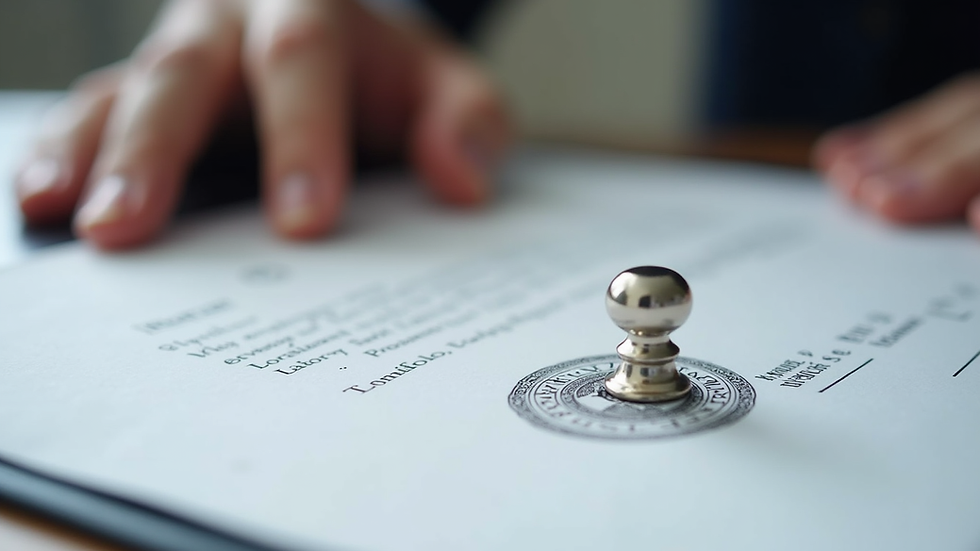
In California, notaries follow strict rules set by the Secretary of State. They must keep a journal of all notarizations and use a special seal or stamp on documents. The seal shows the document was properly notarized and can be trusted.
Steps to Get a Document Notarized in California
Here’s a simple breakdown of the typical steps you’ll go through when getting a document notarized:
Prepare Your Document
Make sure your document is complete but unsigned. The notary needs to witness your signature, so don’t sign it beforehand.
Bring Valid Identification
You must present a government-issued photo ID, such as a driver’s license or passport. The notary uses this to confirm your identity.
Meet the Notary in Person
California law requires the signer to be physically present. The notary cannot notarize a document remotely or by mail.
Sign the Document in Front of the Notary
You will sign the document while the notary watches. This confirms you are the person named in the document and that you are signing willingly.
Notary Completes the Notarization
The notary will fill out the notarial certificate, apply their official seal, and record the details in their journal.
Receive Your Notarized Document
Once notarized, your document is legally recognized and ready for use.
Types of Notarizations Common in California
California notaries perform several types of notarizations. Knowing which one you need can save time:
Acknowledgments
You declare to the notary that you signed the document willingly. This is common for deeds, contracts, and powers of attorney.
Jurats
You swear or affirm that the contents of the document are true. This is often used for affidavits and sworn statements.
Oaths and Affirmations
You promise to tell the truth, usually in legal or official matters.
Copy Certifications
The notary certifies that a copy of a document is a true and accurate reproduction of the original.
How Mobile Notary Services Make the Process Easier
Sometimes, visiting a notary office isn’t convenient. That’s where mobile notary services come in. They travel to your home, office, or another location to notarize your documents. This saves you time and reduces stress.
For example, Pasadena Mobile Notary offers reliable mobile notary services in Pasadena. They handle everything from simple acknowledgments to complex legal documents. Their team ensures all legal requirements are met efficiently, making the process smooth and hassle-free.

Choosing the Right Notary Service in Pasadena
When selecting a notary, consider these factors:
Experience and Credentials
Make sure the notary is licensed and in good standing with the California Secretary of State.
Availability and Convenience
Mobile notaries offer flexible scheduling and can come to you, which is especially helpful if you have a busy day.
Range of Services
Some notaries specialize in certain documents, like real estate or legal affidavits. Choose one who fits your needs.
Clear Pricing
Ask about fees upfront to avoid surprises. California sets maximum fees for notary services, but some mobile notaries may charge travel fees.
Pasadena Mobile Notary is a great example of a service that combines experience, convenience, and transparent pricing. You can learn more about their offerings on their website Pasadena Mobile Notary.
What Documents Commonly Need Notarization in California?
Many documents require notarization to be legally valid. Here are some common examples:
Property deeds and real estate documents
Powers of attorney
Wills and trusts
Loan and mortgage documents
Affidavits and sworn statements
Business contracts and agreements
Knowing which documents need notarization helps you prepare ahead of time and avoid last-minute issues.
Tips for a Smooth Notarization Experience
To make your notarization go smoothly, keep these tips in mind:
Don’t sign your document before meeting the notary.
Bring a valid photo ID.
Review your document carefully before signing.
Schedule your appointment in advance, especially if you need a mobile notary.
Ask the notary any questions you have about the process.
These simple steps help ensure your documents are notarized correctly the first time.

Understanding Notary Fees and Limits in California
California law sets maximum fees for notary services. Here are some common fees:
Acknowledgments: $15 per signature
Jurats: $15 per signature
Oaths or affirmations: $15
Certified copies of powers of attorney: $15
Mobile notaries may charge additional travel fees, which vary depending on distance and time. Always ask for a clear fee estimate before your appointment.
How to Become a Notary in California
If you’re interested in becoming a notary, here’s a quick overview of the process:
Be at least 18 years old and a legal resident of California.
Complete a six-hour notary education course approved by the Secretary of State.
Pass a written exam.
Submit an application with a background check.
Purchase a surety bond and notary supplies.
File your oath and bond with the county clerk.
Becoming a notary requires commitment but offers a valuable service to your community.
Final Thoughts on California Notary Processes
Understanding how notary services work in California helps you handle important documents with confidence. Whether you visit a notary office or use a mobile notary, knowing the steps and requirements saves time and stress.
If you need a convenient and reliable notary in Pasadena, consider a mobile notary service like Pasadena Mobile Notary. They bring the expertise and flexibility you need to get your documents notarized quickly and correctly.
Taking the time to prepare and choose the right notary service ensures your documents are legally sound and accepted wherever they are needed. Keep this guide handy for your next notarization, and you’ll be ready to handle the process with ease.


Comments